Talks
I regularly speak and present to large in-house audiences of 200+ design, marketing, and communications professionals, both independently and in collaboration with cross-functional partners. These talks focus on visual storytelling, presentation design, brand consistency, creative process, and the evolving role of design within business, blending practical insights with real-world examples drawn from active projects. My approach emphasizes clarity, collaboration, and empowering creatives to think strategically while staying true to their craft. Here are a few recent spotlights:
THE ART OF STORYTELLING
The Art of Storytelling was a practical, design-forward talk co-presented with Rebecca Burczak to the Women’s Integrated Network at Cushman & Wakefield. The talk explored how strong presentations are built through context, clarity, and intention rather than decoration. The session walked through preparing materials based on time, format, and setting; shared best practices around simplicity, consistency, and visual hierarchy; and emphasized narrative flow from beginning to end. It also highlighted delivery skills such as pacing, eye contact, and rehearsal, offering actionable guidance for virtual, hybrid, and in-person presentations so storytellers felt confident, polished, and connected to their audience.
OWN THE NARRATIVE
Own The Narrative was a collaborative presentation co-presented with Jacqueline Pool that focused on helping designers confidently communicate their creative decisions and step into a more strategic, partner-driven role. The talk introduced a three-part storytelling framework used to pitch design work to brokerage teams, showing how to frame context, articulate intention, and support design choices with objective design principles rather than personal preference. Grounded in real project examples, the session demonstrated how structured storytelling across presentations, videos, emails, and in-person reveals reduced revisions, strengthened collaboration, and helped designers advocate for their work with clarity and confidence.
A related blog post titled “Own The Narrative” expands on this topic.

PSYCHOLOGY OF SHAPES
Psychology of Shapes was a presentation that explored how basic geometric and organic shapes influence perception, emotion, and meaning in visual design. The talk examined well-researched psychological principles, including the Bouba/Kiki effect, to show how audiences instinctively attach meaning to form, then translated those insights into practical design applications across branding, business development, and property marketing work. Through real project examples, the session demonstrated how circles, squares, triangles, and organic shapes could be used intentionally to signal qualities such as trust, stability, movement, power, empathy, and innovation, helping designers make more strategic, confident decisions that aligns visual language with client goals and audience expectations.
Diversity in Design
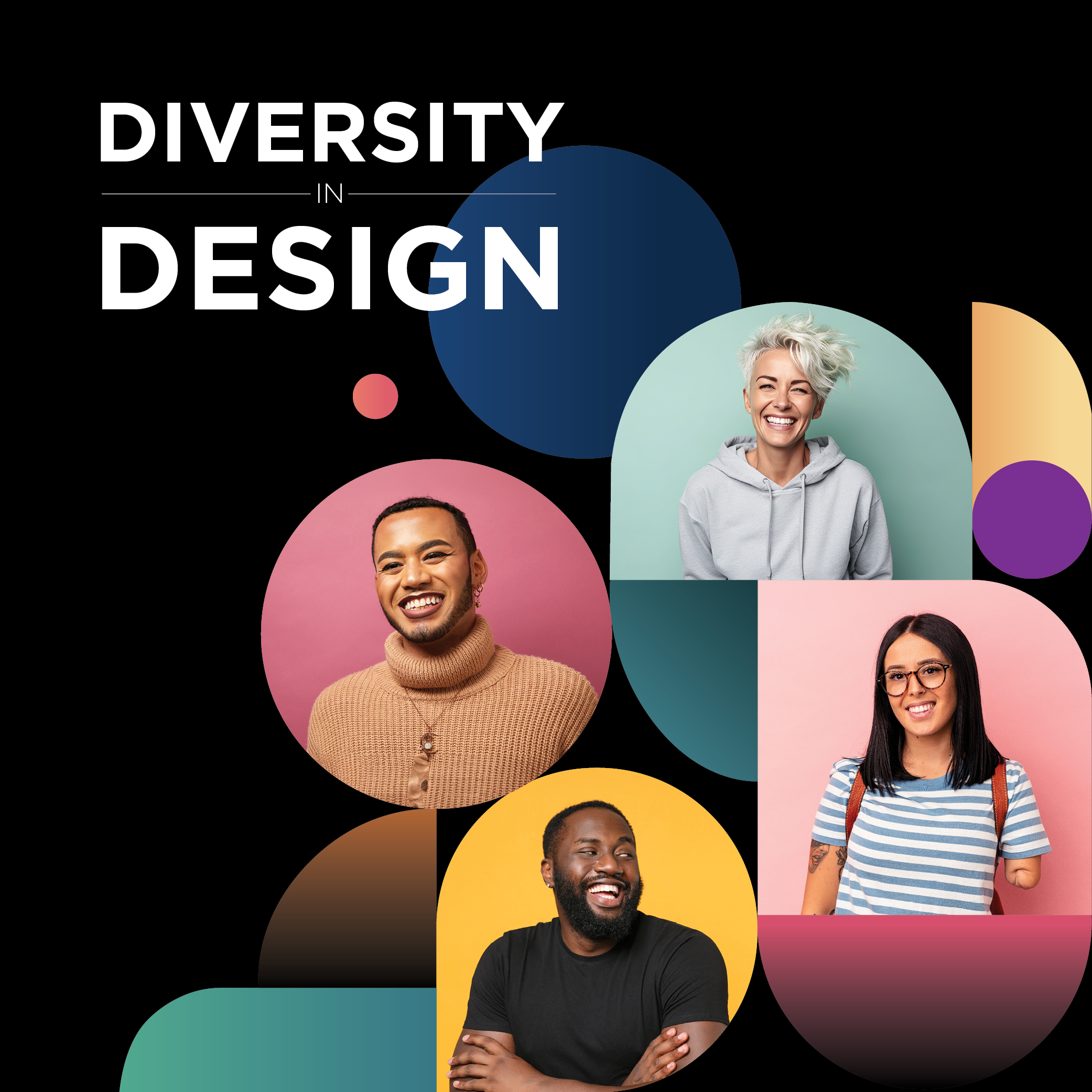
Diversity in Design was a collaborative presentation co-presented with Julia Apana-Butler and Deidra Acquah that explored inclusive design as an ongoing process rather than a one-time task. The talk focused on representation as a core pillar of diversity in design, emphasizing early intention, challenging assumptions about audiences, and seeking perspectives beyond one’s own. Through practical frameworks and real-world examples, the session demonstrated how thoughtful visual choices could expand client reach, strengthen brand loyalty, enhance brand reputation, and position design as a powerful tool for empathy, authenticity, and meaningful business impact.
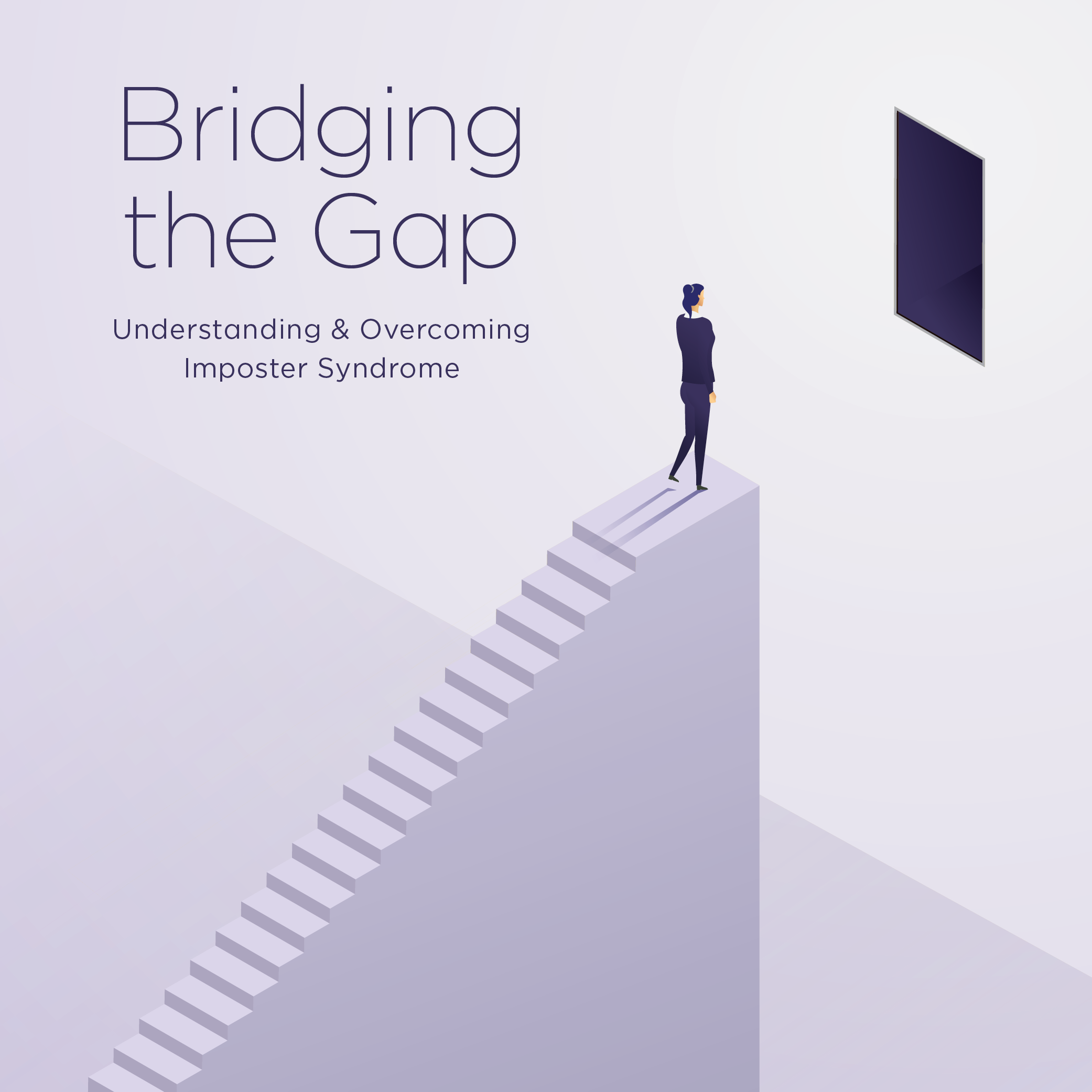
Bridging the Gap
Understanding & Overcoming Imposter Syndrome
Bridging the Gap: Understanding Imposter Syndrome was a collaborative presentation co-presented with Andrew Matt that explored how imposter syndrome showed up in creative and professional environments and how it impacts confidence, communication, and growth. The talk examined the internal narratives many creatives experience, especially in high-performing or collaborative teams, and offered practical strategies for reframing self-doubt and building trust in one’s expertise. Through shared perspectives and open discussion, the session encouraged attendees to recognize imposter syndrome as a common experience rather than a personal shortcoming, helping foster confidence, empathy, and stronger collaboration across teams.
Lets Talk About Color
Color Theory
Lets Talk About Color was an in-depth presentation delivered to an audience of 200+ designers and marketing professionals that examined how color influences perception, emotion, and decision-making in visual communication. The 45-minute session explored the psychological and cultural meanings of color, how color choices shaped brand identity and audience response, and how intentional color systems strengthen storytelling across business development and property marketing work. Grounded in real project examples, the talk provided practical guidance for using color strategically rather than decoratively, helping creatives make more confident, informed design decisions.